Underpinning in Hamilton typically runs $45,000 to $90,000, and the free assessment is what tells you whether your specific warning signs actually call for it - or something simpler and considerably less expensive. Here's what that visit covers, what drives the price, and how to book yours.
What the Free Assessment Actually Covers
A project manager inspects the specific signs prompting your call - a crack, a sloping floor, a sticking door - along with your foundation's overall construction and condition, soil, drainage, and site access. That visit is where we determine whether your symptoms point to isolated cosmetic settling, a simpler fix like crack injection, or genuine structural movement that calls for underpinning. Where a crack is involved, we also ask what you've observed about how it's changed over time, since that history is genuinely useful diagnostic information alongside the physical inspection itself. A written fixed-price proposal follows within 48 hours, at no charge and no obligation. See our basement underpinning service page for the full method and pricing breakdown this estimate is based on.
Fixed-price means fixed. No ranges in your final contract, and nothing new on the invoice once it's signed - only pre-approved change orders if something unexpected turns up once excavation starts.
What Actually Moves the Price
Foundation Type & Access
Older or mixed-material foundations (fieldstone sections, for example) and tight site access both push a project toward the higher end of the typical range.
Full Perimeter vs. Partial Scope
Some warning signs point to a full-perimeter settlement issue; others are isolated enough that only a section of the foundation needs underpinning, which brings the total down considerably.
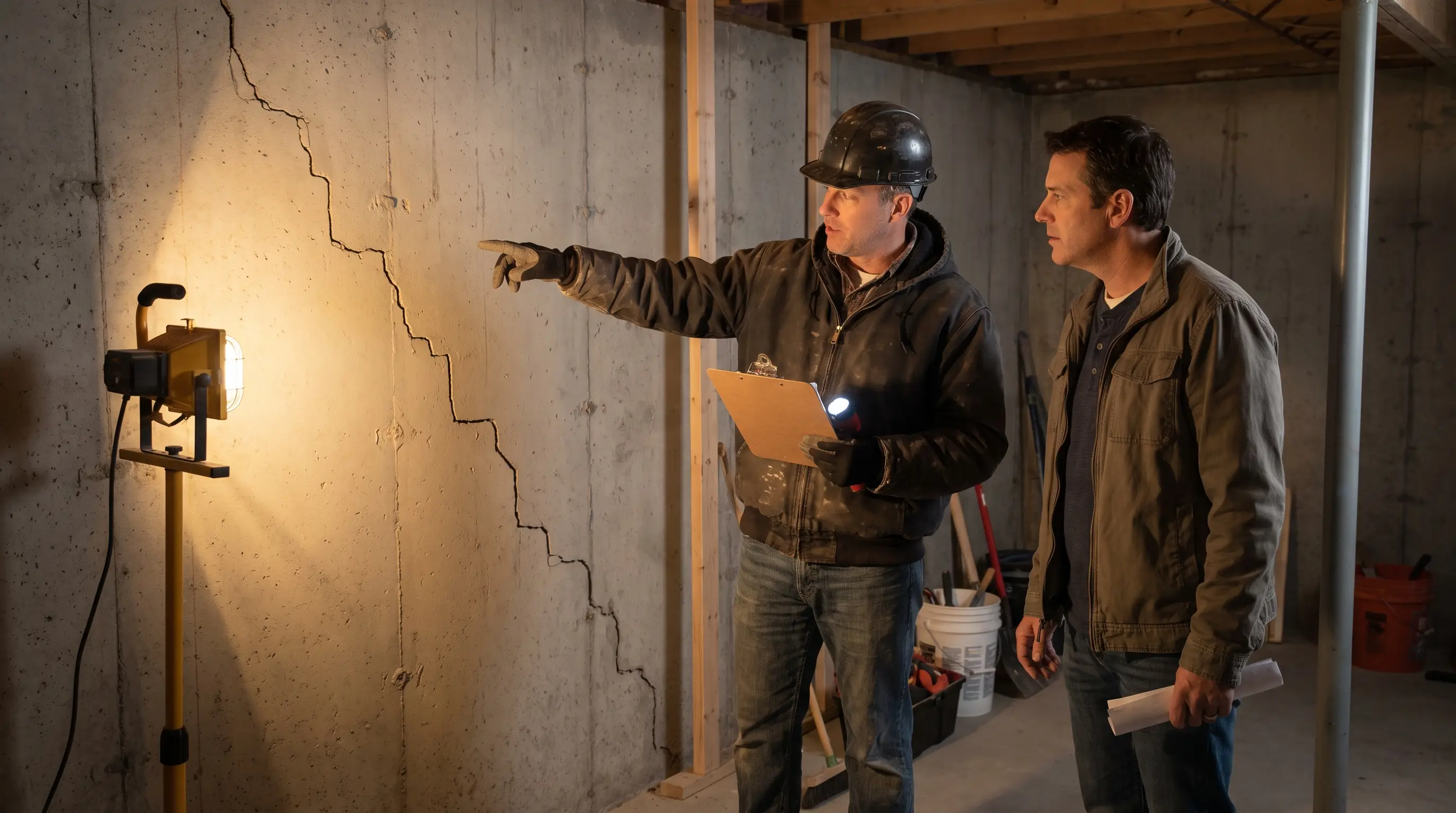
Why Book Before You Compare Quotes
What If the Assessment Finds Something Different Than Expected?
Sometimes a homeowner books an assessment worried about full underpinning and learns their crack is cosmetic, isolated shrinkage-related settling that a simple crack injection resolves for a fraction of the cost. Other times a sign that seemed minor - like our Gibson case study above, where a slowly widening crack turned out to reflect settlement across the broader foundation - calls for more scope than expected. Either way, we explain exactly what we found and why, walk through the options at different price points, and give you a fixed-price quote for the scope your foundation actually needs, not the scope you called about by default. This is also where a homeowner sometimes learns their basement's low ceiling qualifies for a meaningful height gain as a natural byproduct of the structural repair, turning what started as a worry into a project with added practical upside.
A Real Example of How Pricing Breaks Down
To make the range concrete: a partial-scope project addressing isolated settlement at one section of the foundation, without complications like fieldstone construction or restricted access, typically lands between $45,000 and $60,000. A full-perimeter project on a foundation with mixed materials or tight rear-yard access - like our Gibson case study above - moves toward the $70,000 to $90,000 end of the range. Most Hamilton underpinning projects land somewhere in the middle, since a moderate scope with reasonably good access is the most common scenario our project managers actually assess.
It's worth understanding what's already built into these figures. Every BaseWorks underpinning quote includes engineering and permits, the full excavation and underpinning sequence itself, interior drainage and a sump pump, and the new slab pour with final grading. The main variable that can add to a quote after the fact is something genuinely unexpected discovered once excavation starts - like unmarked utility lines or soil conditions that differ meaningfully from what a visual assessment could determine - and even then, any additional cost follows a pre-agreed change-order process rather than showing up unexplained on a final invoice.
Timing within the permit process also affects your overall timeline more than it affects price directly. Engineer-stamped drawings that clearly address any unusual foundation conditions - fieldstone sections, known soil issues, tight access requiring a specific excavation plan - tend to move through City of Hamilton review faster than submissions that leave those details vague and prompt a request for more information partway through the process. This is one more reason a thorough on-site assessment upfront pays off beyond just pricing accuracy - it shapes how smoothly your permit approval goes too.
How This Differs From a Generic Contractor Quote
Some contractors quote underpinning as a flat rate per linear foot without ever confirming your foundation's actual construction type or the real cause behind your warning signs, sometimes providing a number over the phone or from a satellite photo without ever setting foot in the basement. That approach risks underselling a project that turns out to need fieldstone reinforcement or extra hand-excavation for tight access, both of which can turn into unwelcome change orders once work is already underway. BaseWorks prices after a real structural assessment specifically so the number reflects your foundation's actual condition and the actual cause of your symptoms - not a generic average across every underpinning job we've ever quoted.
The same gap shows up in what's included on paper. A quote that doesn't specify whether interior drainage and a sump pump are part of the scope, what warranty applies, or whether the quote assumes machine excavation when your site actually needs hand-digging isn't comparable to one that spells all of that out - even when the headline number looks similar. Our written proposal lists every phase and material so you're comparing complete quotes, not guessing at what's missing from a cheaper one, and not discovering the gap only after signing.
Ready when you are: call (647) 692-2131 or request your free assessment online - most homeowners hear back within one business day.
Warranty and What Happens After the Work Is Done
Every BaseWorks underpinning project comes with a 5-year structural warranty and closed permits, including a signed engineer letter confirming the work meets code - documentation that matters not just for peace of mind but for any future home sale, refinancing appraisal, or insurance claim down the road. Before we leave the job site, we walk you through what to expect: minor settling of the new concrete surface over its first year is normal, and we explain exactly what a healthy, fully cured underpinned foundation looks like versus what would warrant a call back. Most homeowners never think about their foundation again once the project closes out - the whole point of a properly engineered, permitted underpinning job is that it's genuinely meant to be the last time this particular section of the house needs structural attention.
What to Have Ready Before the Assessment
Want to know which signs actually warrant a call versus simple monitoring? Our signs guide walks through the specific warning signs and what each one typically means.
Frequently Asked Questions
Yes. A project manager inspects the specific signs you've noticed - cracks, sloping floors, sticking doors - along with your foundation's overall condition and construction type. A written fixed-price proposal follows within 48 hours, at no cost and no obligation.
A full-perimeter underpinning project on a typical Hamilton home runs $45,000 to $90,000, generally priced at $80 to $150 per linear foot of foundation wall. Bench footings, where applicable, run 20-35% less.
Yes - that's the central purpose of the visit. We trace the specific cause behind your cracks or symptoms before recommending anything, since not every warning sign turns out to need full underpinning.